
 EN
EN  Romana
Supplements from A to Z
Most popular
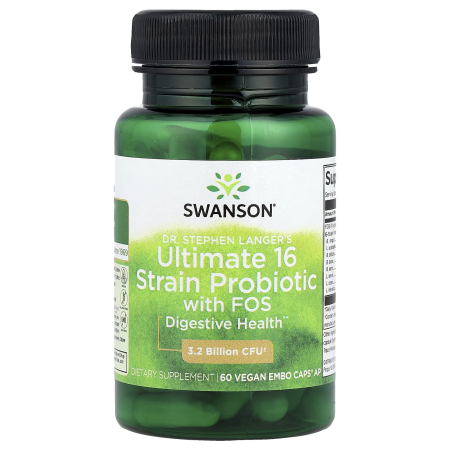
Ultimate 16 Strain Probiotic With FOS, 3.2 Billion CFU, Swanson, 60 capsules SWA051
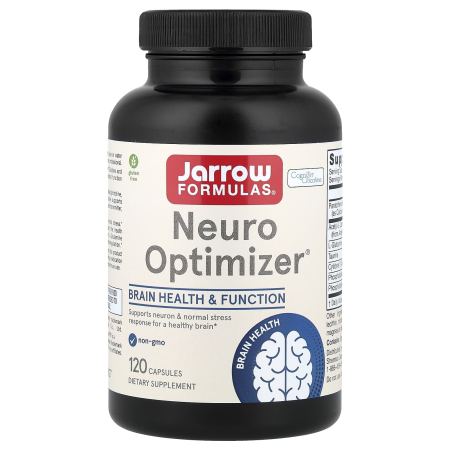
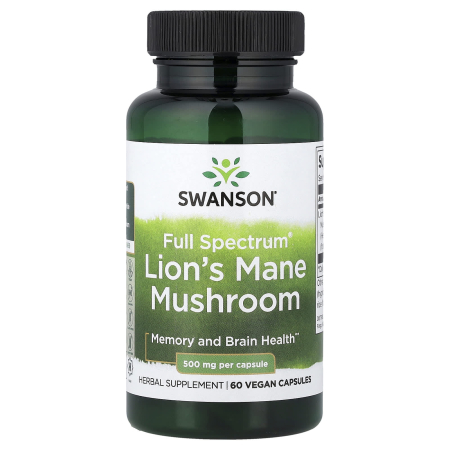
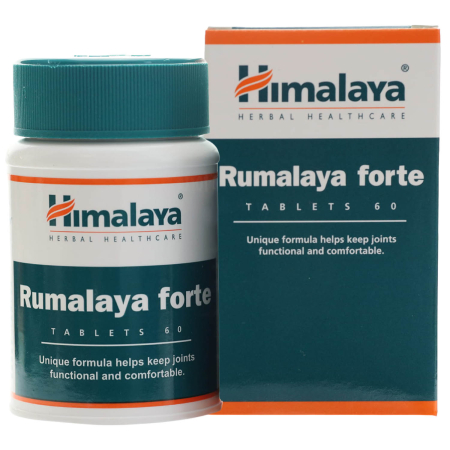
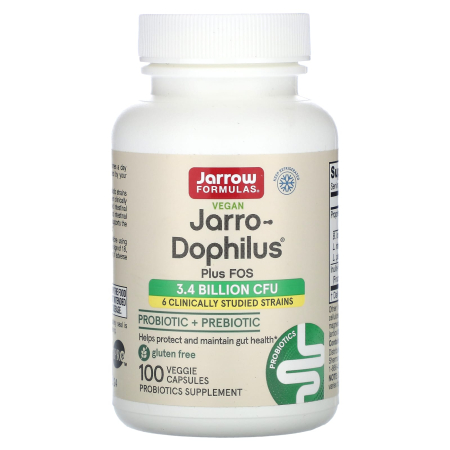
Jarro-Dophilus Plus FOS, 3.4 Billion CFU, Jarrow Formulas, 100 capsule
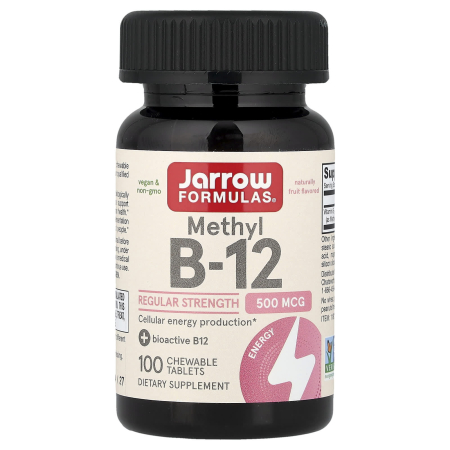
Methyl B-12 (Methylcobalamin), 500 mcg, Jarrow Formulas, 100 Chewable Lozenges
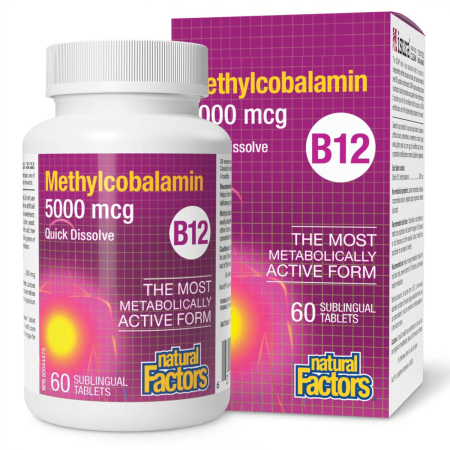
Vitamin B12, Methylcobalamin, 5,000 mcg, Natural Factors, 60 tabletes
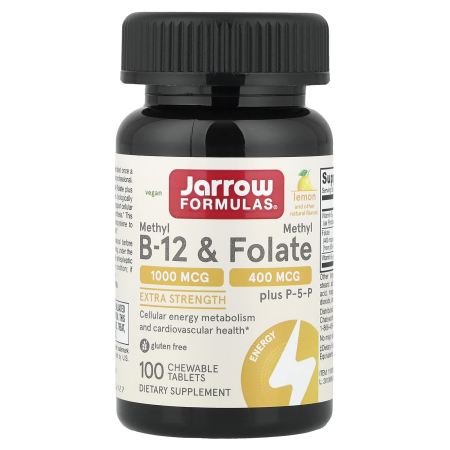
Methyl B-12 1000 mcg & Methyl Folate, Jarrow Formulas, 100 Chewable Tablets
Newest
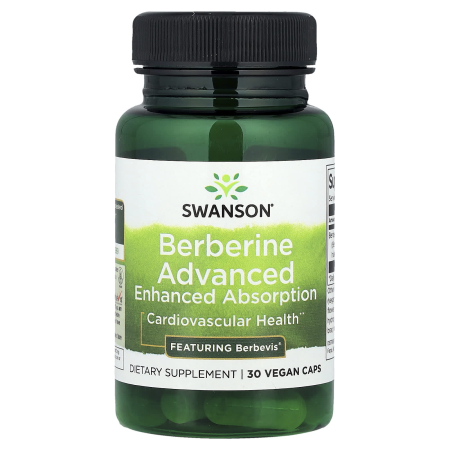
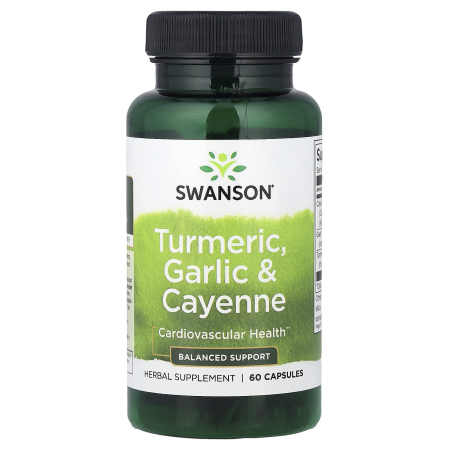
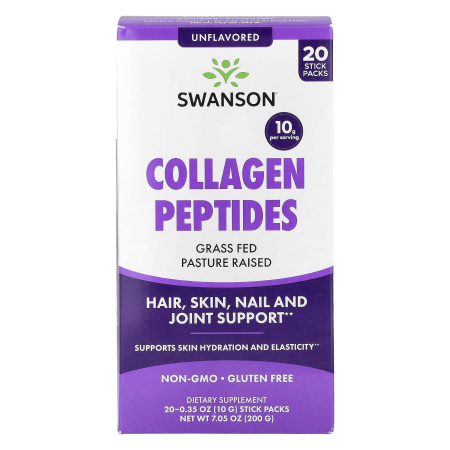
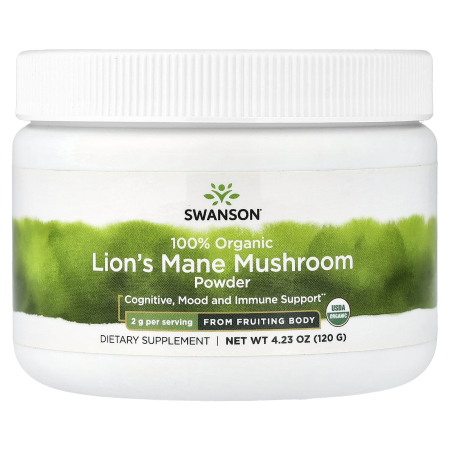
Display: 1-48 from 775 products
Filters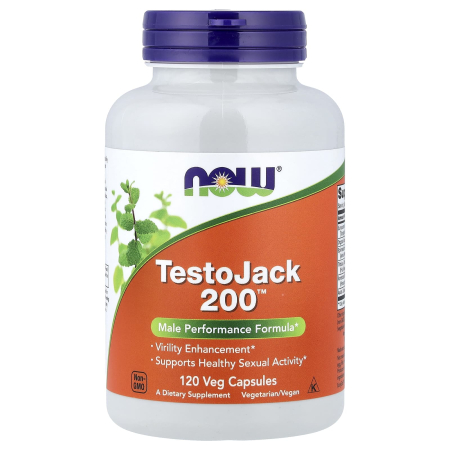
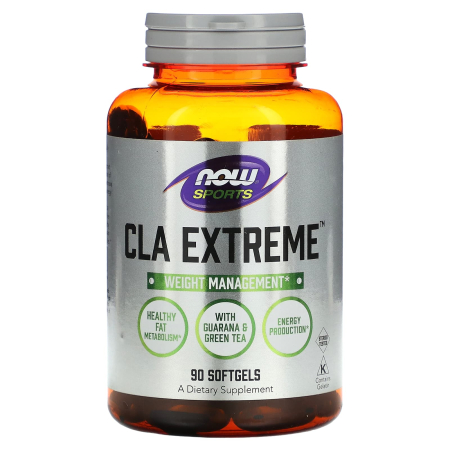
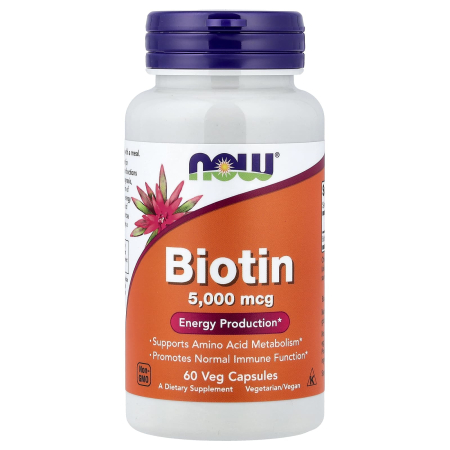
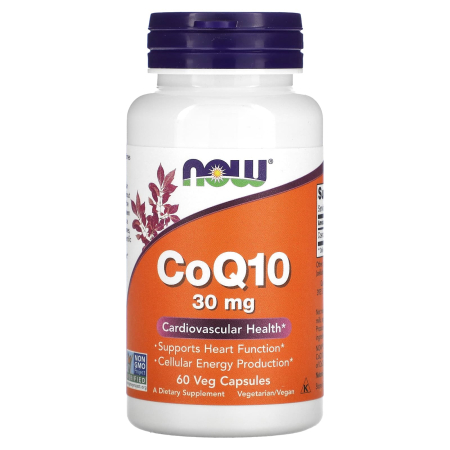
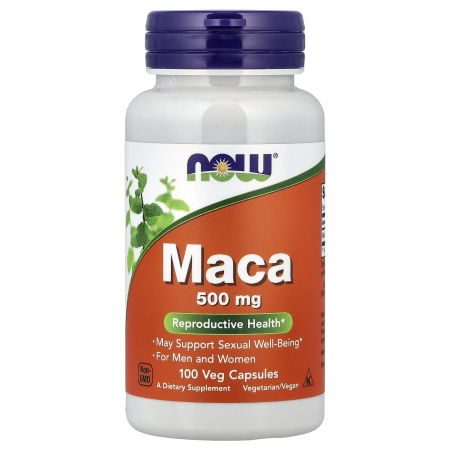
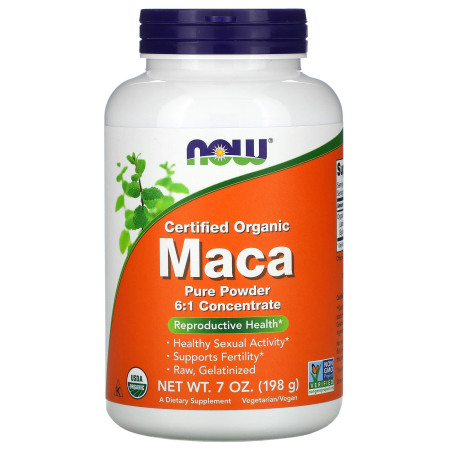
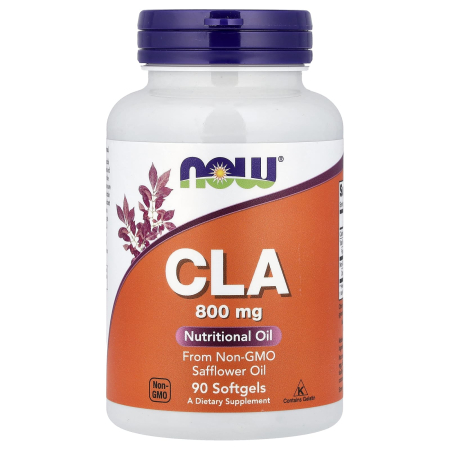
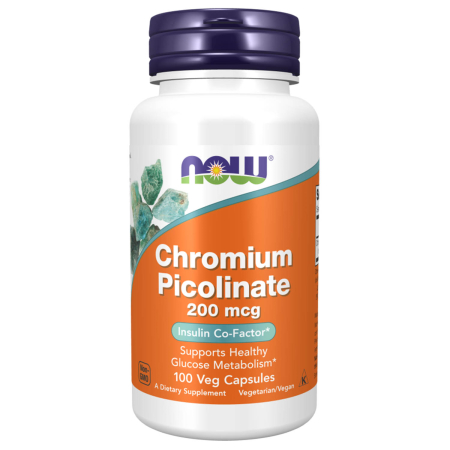
Chromium Picolinate, Crom Picolinat, 200mcg, Now Foods, 100 capsule
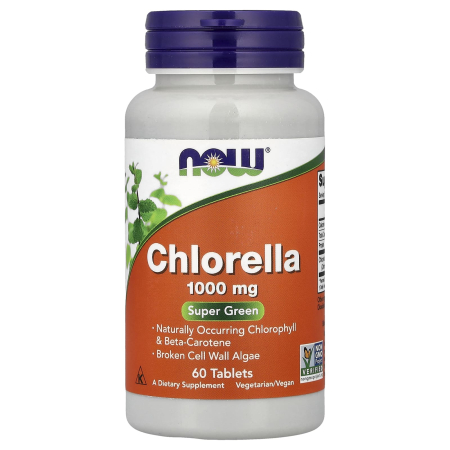
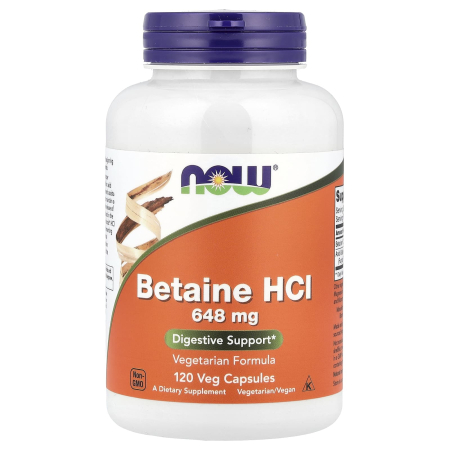
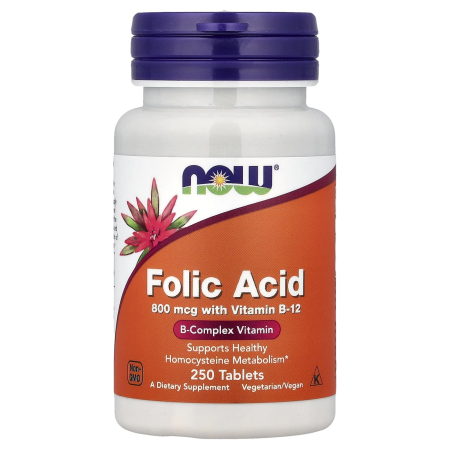
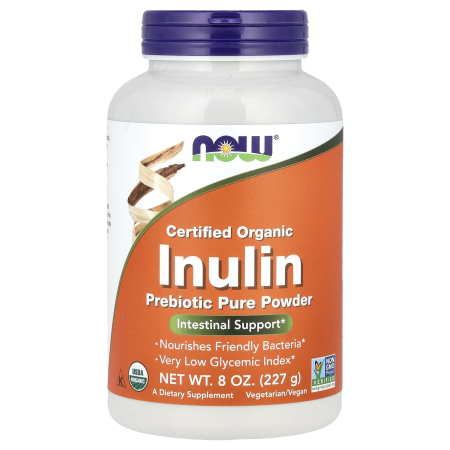
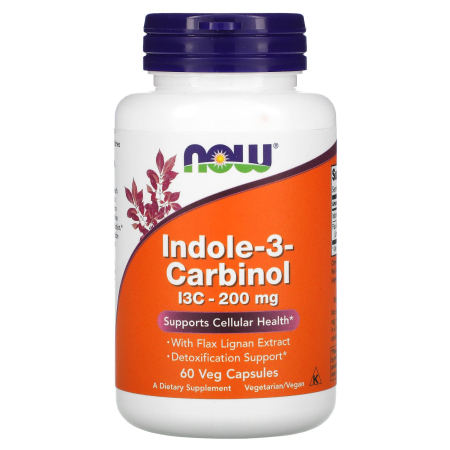
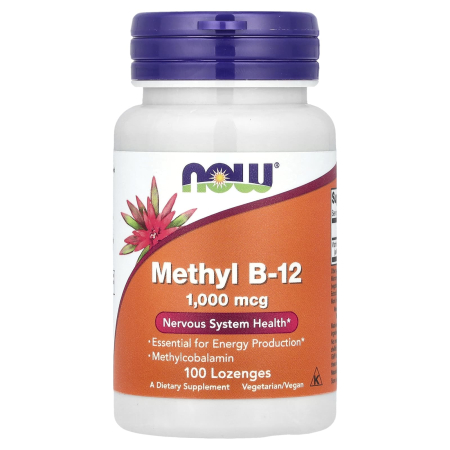
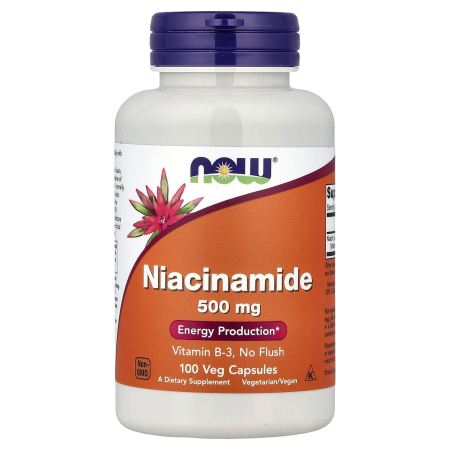
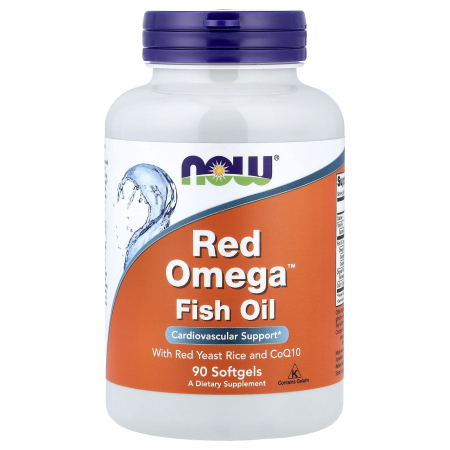
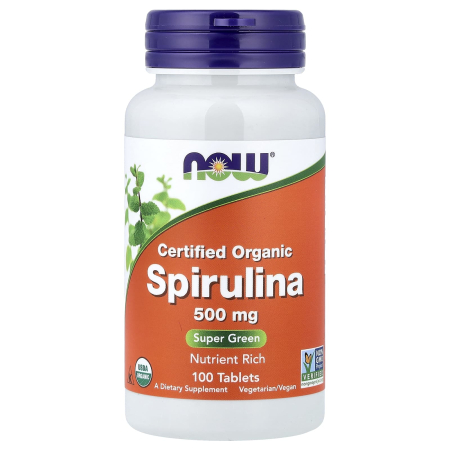
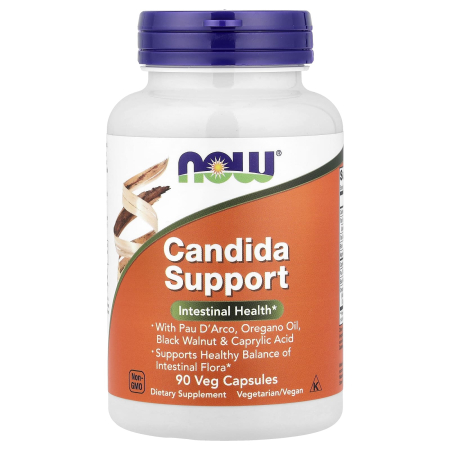
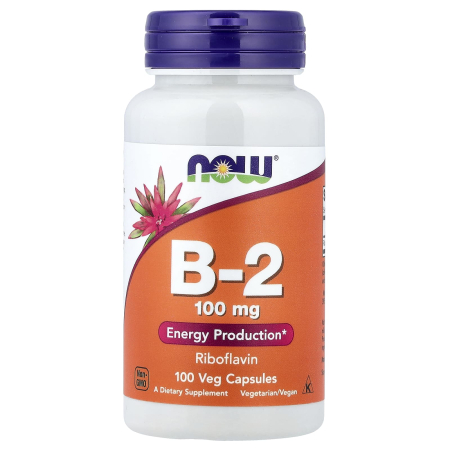
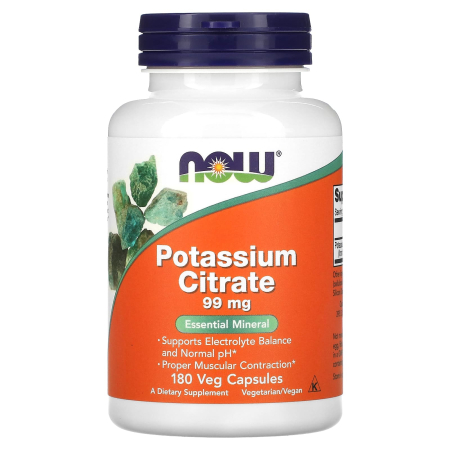
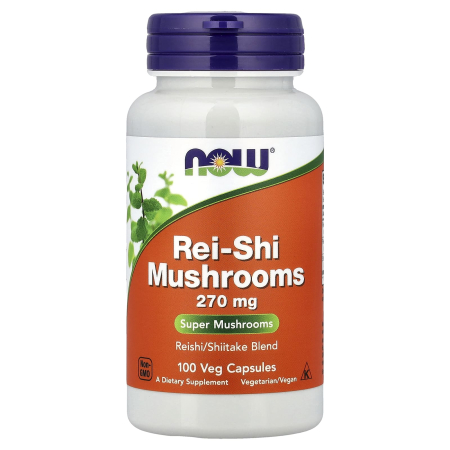
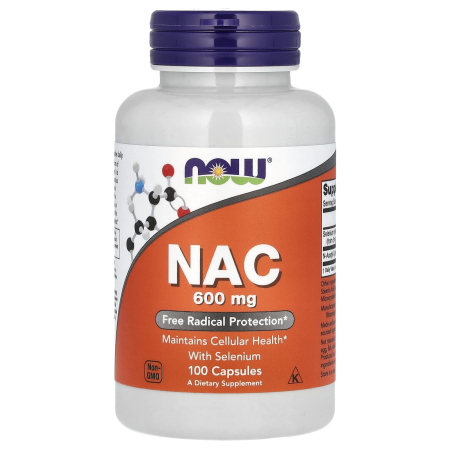
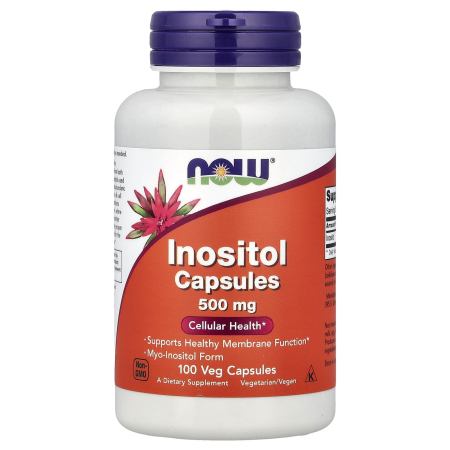
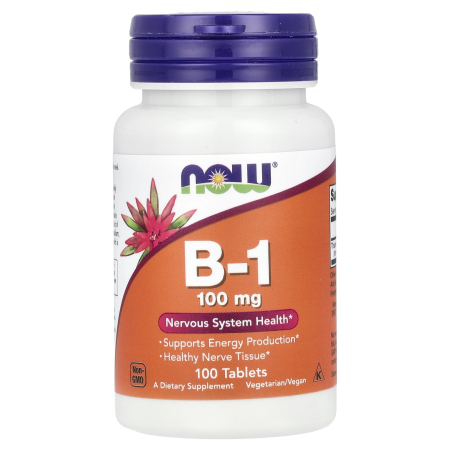
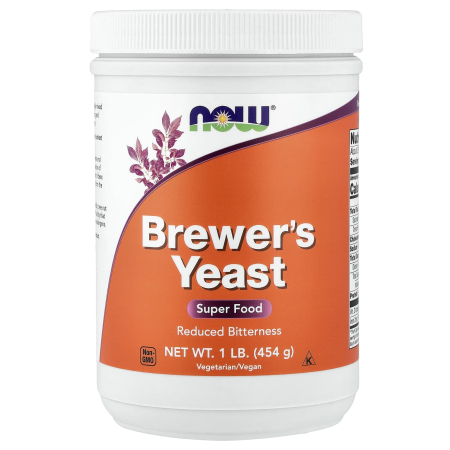
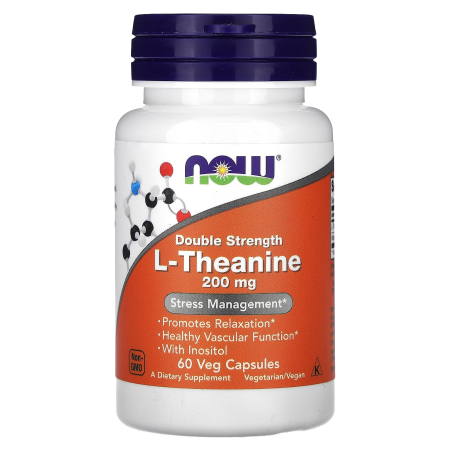
L-Theanine Double Strength cu Inositol, 200mg, Now Foods, 60 capsule
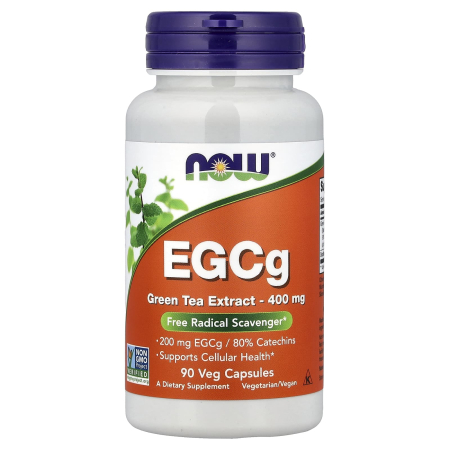
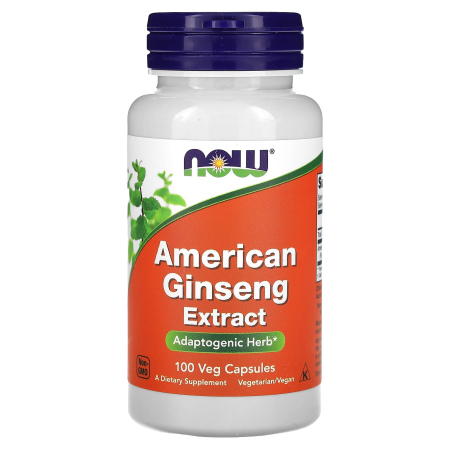
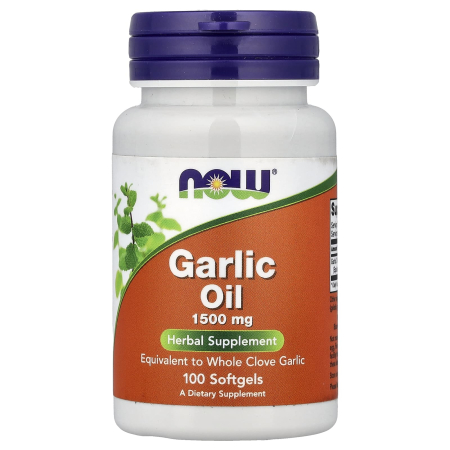
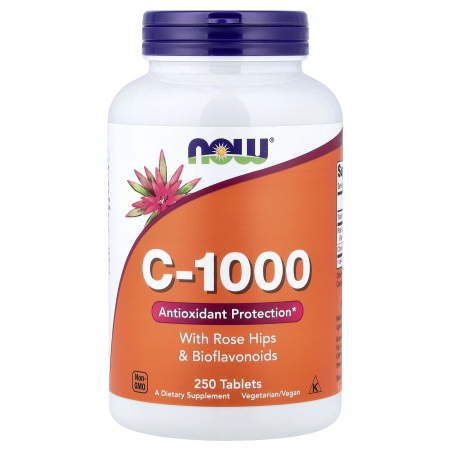
C-1000 Vitamina C with Rose Hips & Bioflavonoids, Now Foods, 250 tablete
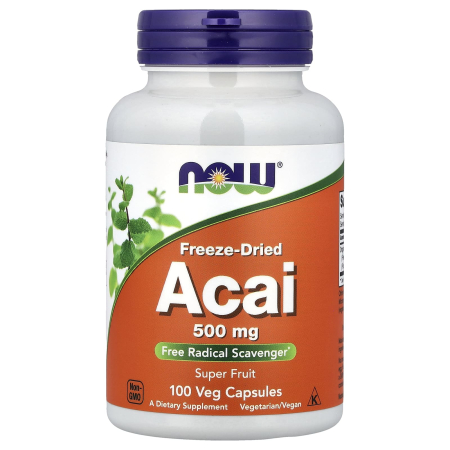
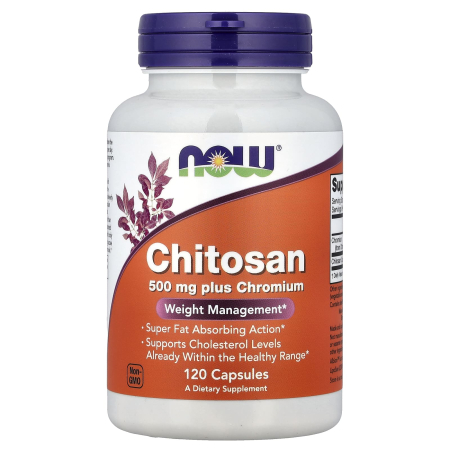
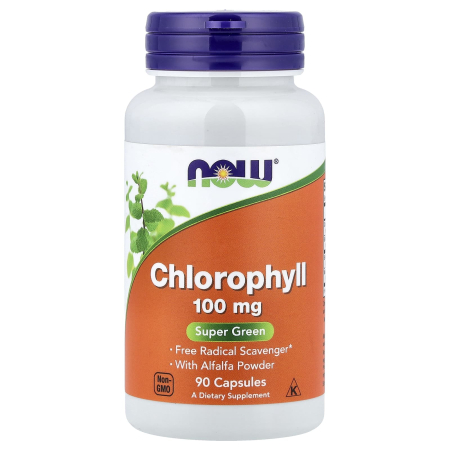
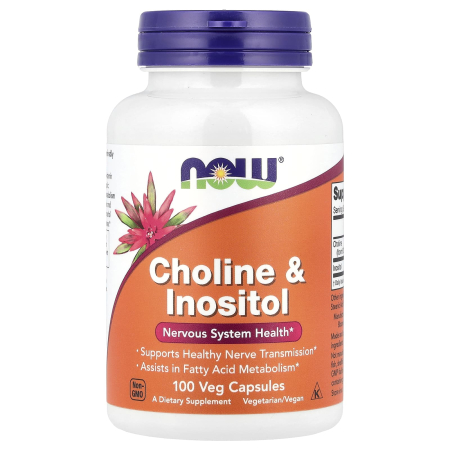
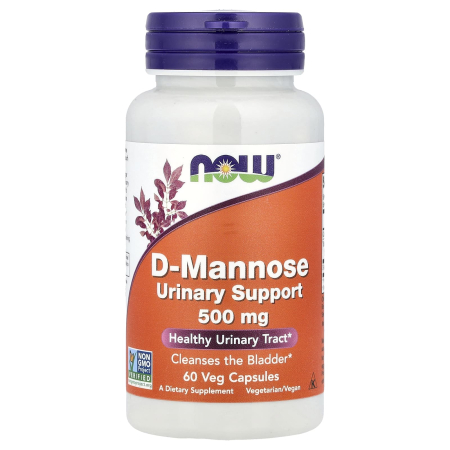
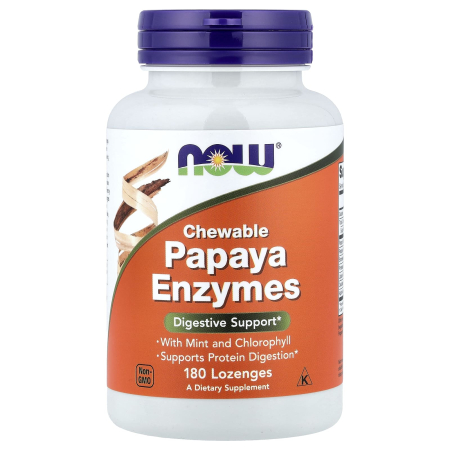
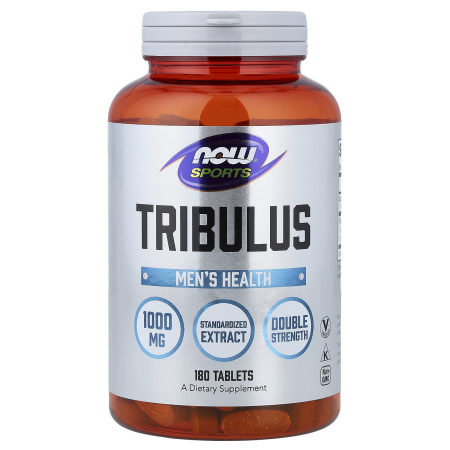
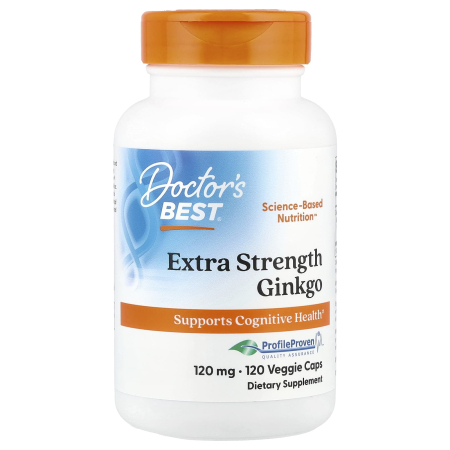
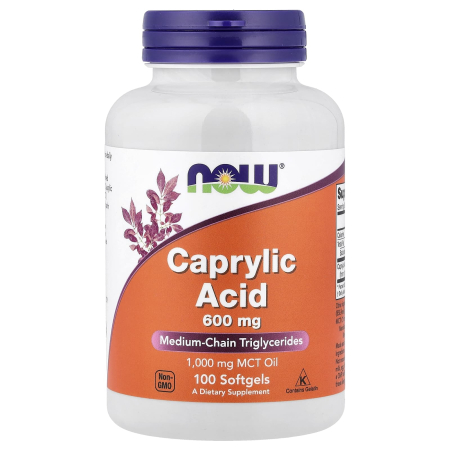
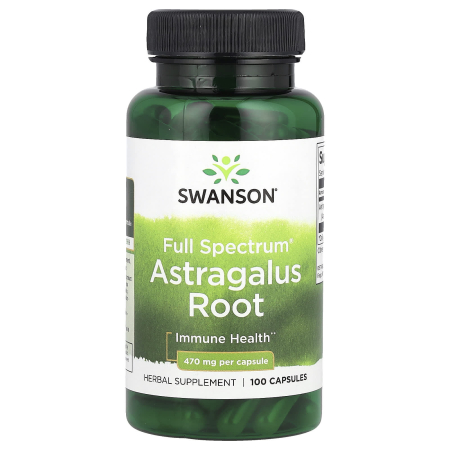
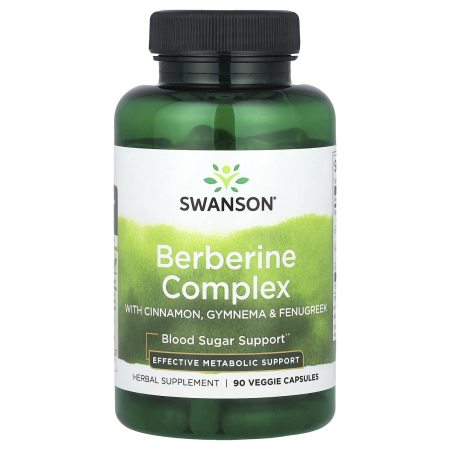
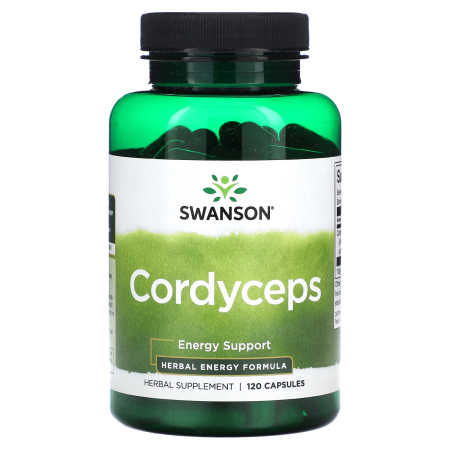
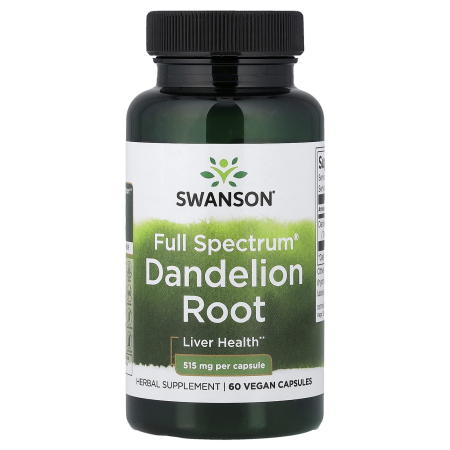
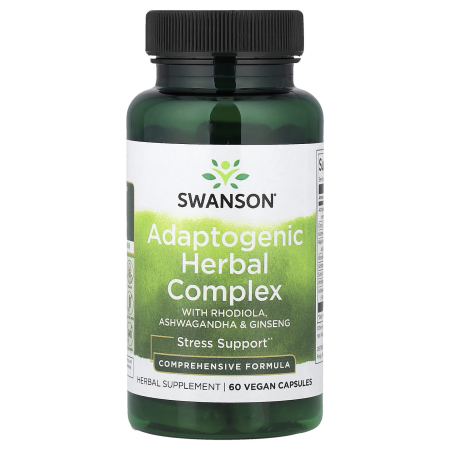
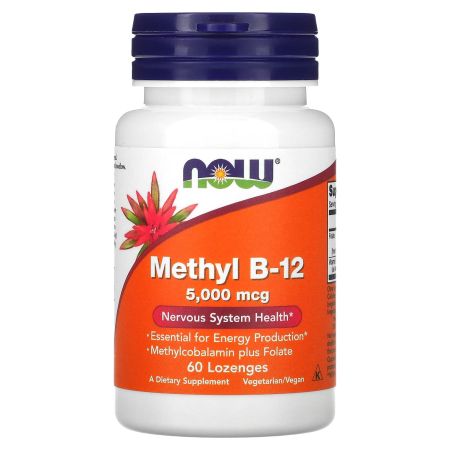
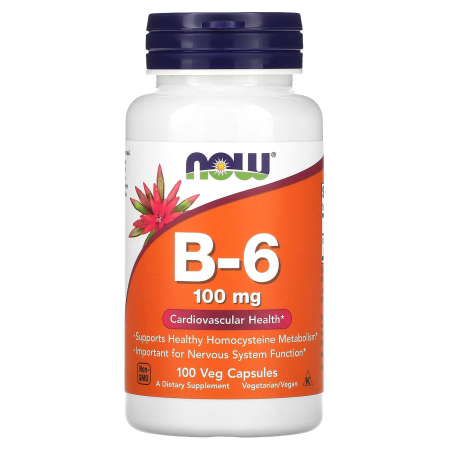
Methyl B-12 Methylcobalamin plus Folate, 5000mcg, Now Foods, 60 drajeuri
Beyond the issues of perception and the tendency to look for natural or naturist solutions, food supplements represent a field that means much more than "grinding" a plant and has behind it the results of research in the fields of biotechnologies, medicine, nutrition and an industry extremely dynamic.
Herbs and glandular extracts have been used since ancient times to correct certain deficiencies, they also represent some of the first natural treatment remedies. Along with the development of modern medicine and pharmacology, natural health products followed two parallel directions: complex formulas were researched and developed that could be recommended in parallel with allopathic treatments, including vitamins, minerals, amino acids, antioxidants and probiotics, or remained in an area of obscurity, becoming working tools of various doctors and healers who use the reputation of certain plants or extracts to recommend good "cures" for everything, especially in incurable diseases.
Due to the permissive legislation, both categories continue to exist, but the difference is mostly made by the consumer, and information is essential in this case.
What are Food Supplements?
Food supplements are preparations containing vitamins, minerals or other substances with a nutritional or physiological effect (fibers, amino acids, fatty acids, vegetable or animal extracts) that are indicated when, for certain reasons, they are missing or not found in a sufficient amount enough in the daily diet, or when the body needs a supplement of nutrients (for example, in disease states). It is marketed in different forms: capsules, tablets, hydroalcoholic extracts, powder, ointments, etc.1 In Romania, the field of food supplements is regulated by the National Institute of Food Bioresources (IBA) and the Ministry of Health. Food supplements that contain only vitamins and/or minerals are approved by the Ministry of Health, while the rest fall under the jurisdiction of the National Service for Medicinal Plants, Aromatics and Beehive Products - SNPMAPS, within the IBA. The USA was the first country to develop a special law on dietary supplements - the Dietary Supplement Health and Education Act (DSHEA), in 1994, while the European Union offered a legislative framework for this field only in 2002, through Directive 2002/46/ WHAT THE.
PRODUCT CATEGORIES

CATEGORIES OF DISEASES
Latest Reviews Added:
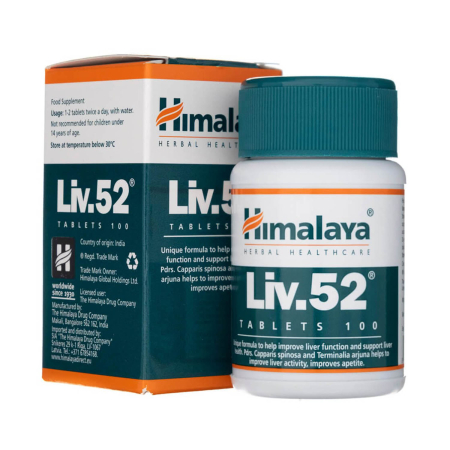
Liv 52 (Hepatoprotector), Himalaya, 100 tablete
Verified purchase
Jarro-Dophilus Plus FOS, 3.4 Billion CFU, Jarrow Formulas, 100 capsule
Verified purchase
L-Theanine Double Strength cu Inositol, 200mg, Now Foods, 60 capsule
Verified purchase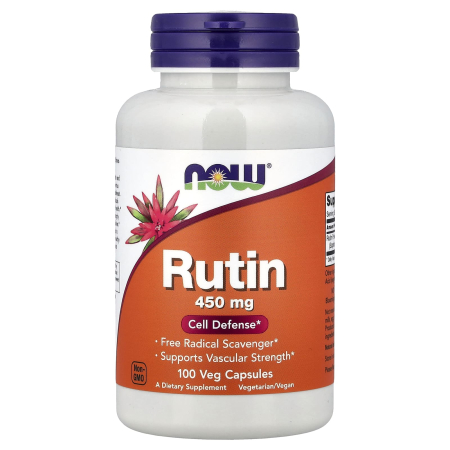
Rutin (Vitamina P), 450mg, Now Foods, 100 capsule
Verified purchase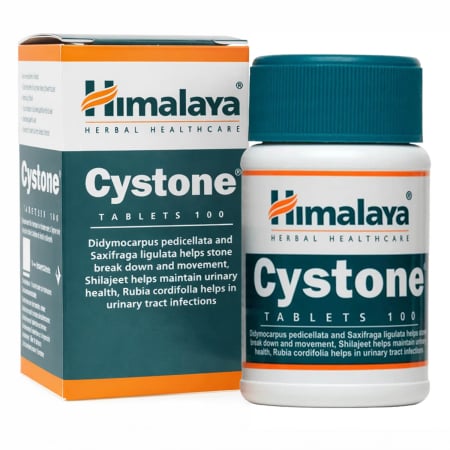
Cystone (Urinary Tract), Himalaya, 100 tablets
Verified purchase
Cystone (Urinary Tract), Himalaya, 100 tablets
Verified purchase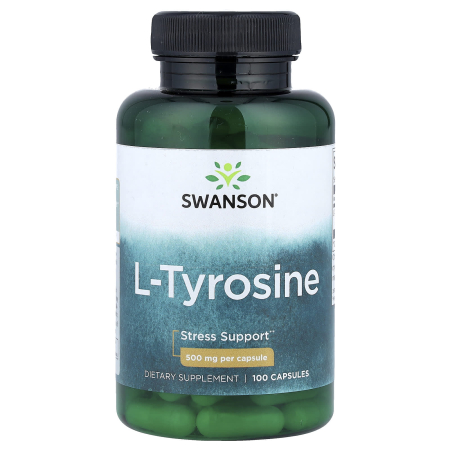
L-Tyrosine, 500mg, Swanson, 100 capsule SW855
Verified purchase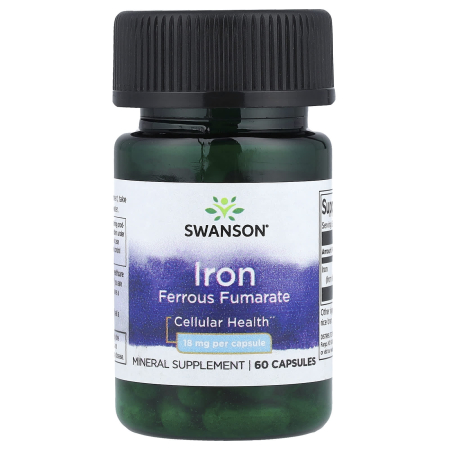
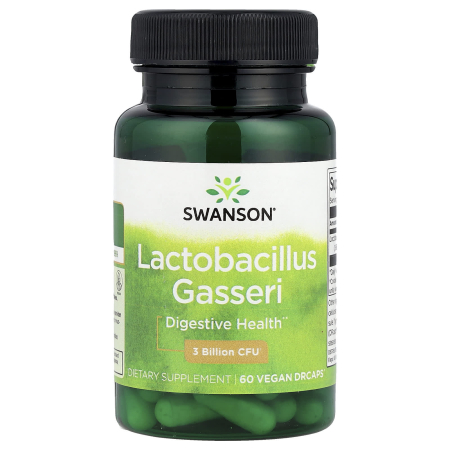
Lactobacillus Gasseri 3 Billion CFU, Swanson, 60 capsule SWA027
Verified purchase
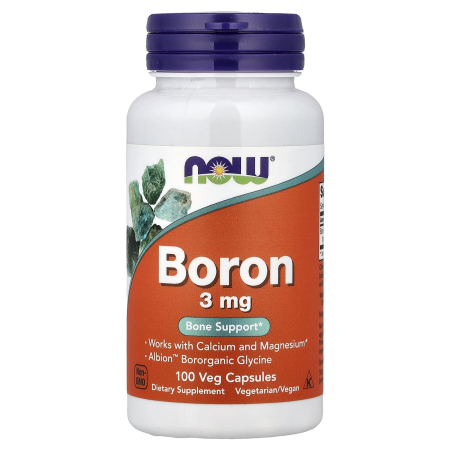
Boron (Bor) Mineral, 3 mg, Now Foods, 100 capsule
Verified purchase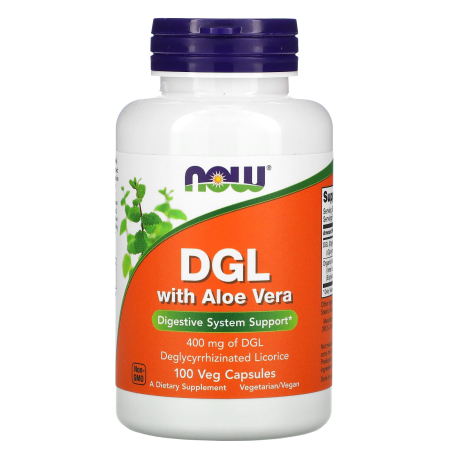
DGL with Aloe Vera, 400 mg, NOW Foods, 100 capsules
Verified purchase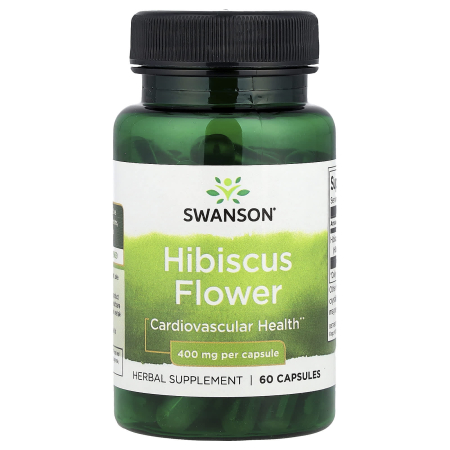
Hibiscus Flower 400 mg, Swanson, 60 capsule SW1406
Verified purchase
Hibiscus Flower 400 mg, Swanson, 60 capsule SW1406
Verified purchase
Hibiscus Flower 400 mg, Swanson, 60 capsule SW1406
Verified purchase
Hibiscus Flower 400 mg, Swanson, 60 capsule SW1406
Verified purchase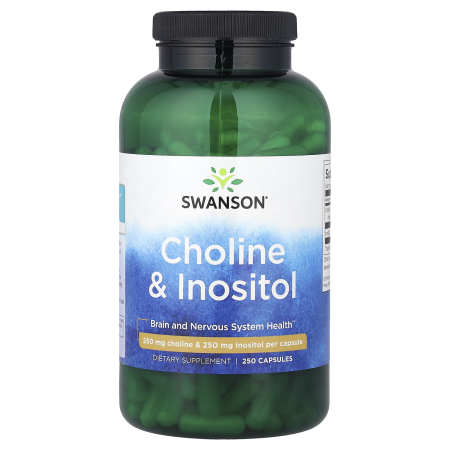
Choline & Inositol, 250mg, Swanson, 250 capsule SW039
Verified purchase
Cystone (Urinary Tract), Himalaya, 100 tablets
Verified purchase
Liv 52 (Hepatoprotector), Himalaya, 100 tablete
Verified purchase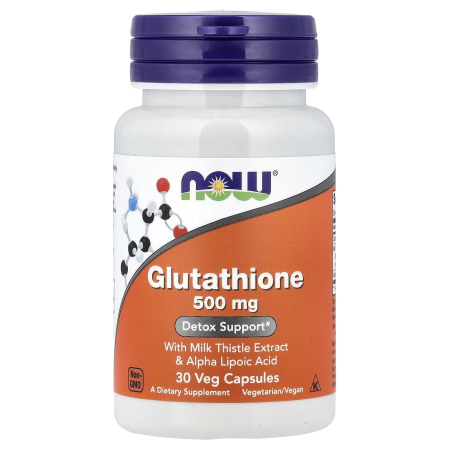
Glutathione (Glutation) 500 mg, Now Foods, 30 capsule
Verified purchase
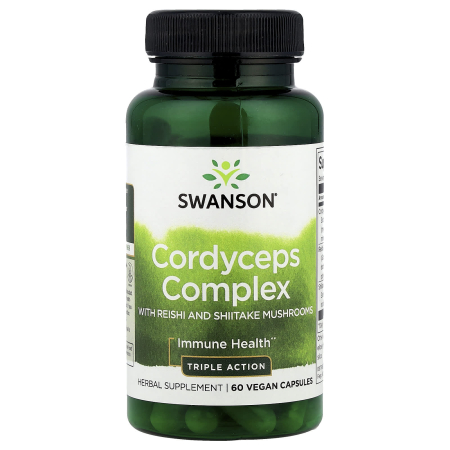
Cordyceps Complex with Reishi and Shiitake, Swanson, 60 capsule SWH231
Verified purchase
Cordyceps Complex with Reishi and Shiitake, Swanson, 60 capsule SWH231
Verified purchase
Liv 52 (Hepatoprotector), Himalaya, 100 tablete
Verified purchase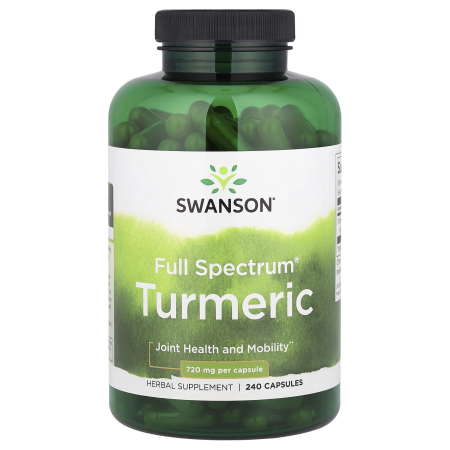
Turmeric (Curcuma Longa), 720mg, Swanson, 240 capsule SW1075
Verified purchase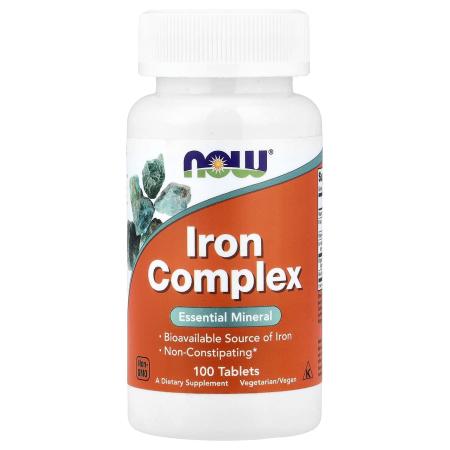
Iron Complex (Fier), Now Foods, 100 tablete
Verified purchase
Methyl B-12 Methylcobalamin plus Folate, 5000mcg, Now Foods, 60 drajeuri
Verified purchase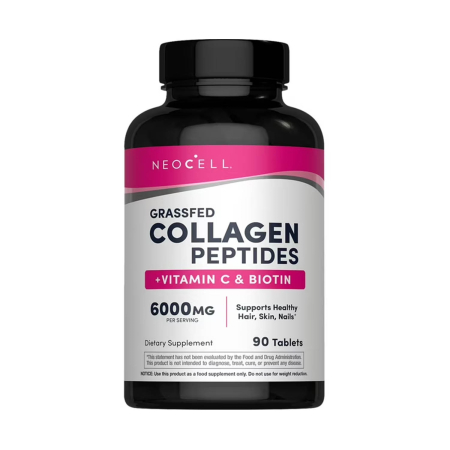
Hydrolyzed Collagen + Vitamin C & Biotin, NeoCell, 90 tablets
Verified purchase